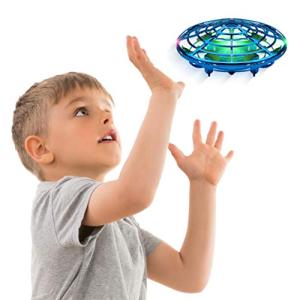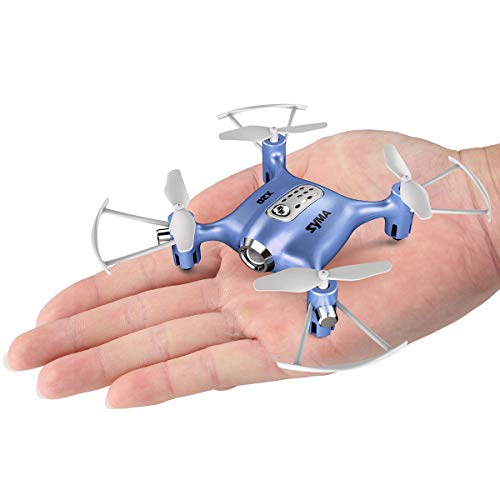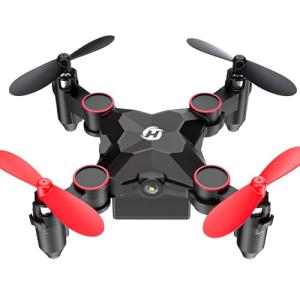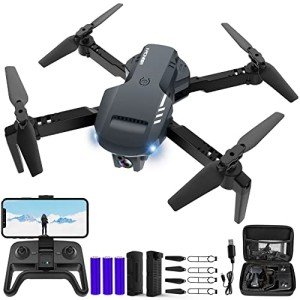
Mini drones are one of the best ways for beginners in the UK to learn how to fly. They’re lightweight, easier to control, and far less intimidating than larger camera drones. Whether you’re learning indoors, flying in a small garden, or just want a low-risk way to get started, mini drones offer a practical entry point.
This guide explains what makes a good beginner mini drone, what features matter most, and how to avoid common buying mistakes.
Why Mini Drones Are Ideal for Beginners
Mini drones are designed with simplicity in mind. Their smaller size makes them easier to control, safer around people and objects, and more forgiving when mistakes happen.
- Lighter weight means less damage during crashes
- Easier to fly in smaller spaces
- Lower cost compared to larger drones
- Often exempt from registration requirements depending on model and use
What to Look for in a Beginner Mini Drone
1. Stable hover and easy controls
A good beginner drone should hover steadily without constant input. Features like altitude hold and automatic stabilisation make learning much faster and far less frustrating.
2. Beginner or low-speed modes
Speed control is crucial for new pilots. Beginner modes reduce responsiveness, helping you practise smooth movements before moving on to faster handling.
3. Battery life and spare batteries
Mini drones often have shorter flight times, so having spare batteries is important. More flight time means quicker learning and better control confidence.
4. Durability and replacement parts
Crashes are part of learning. Look for drones with flexible frames, prop guards, and easily available replacement propellers.
5. Indoor vs outdoor capability
Some mini drones are designed mainly for indoor use, while others can handle light outdoor conditions. If you plan to fly outdoors, stability and wind resistance matter more.
Common Beginner Mistakes to Avoid
Choosing based on specs alone
High camera resolution or long range doesn’t help if the drone is difficult to control. Stability and ease of use should always come first for beginners.
Flying in unsuitable conditions
Wind, poor lighting, and tight spaces make learning harder. Start in calm conditions and open areas whenever possible.
Skipping basic practice
Learning to hover, turn smoothly, and land accurately builds skills that carry over to larger drones later.
Mini Drones vs Camera Drones for Beginners
Mini drones are best for learning control and orientation. Camera drones add complexity and cost but can be a good option once you’re comfortable flying.
If your main goal is photography or video, consider starting with a mini drone first, then upgrading to an entry-level camera drone once your skills improve.
Who Should Buy a Mini Drone?
- First-time drone pilots
- Beginners with limited space
- Parents buying a starter drone
- Anyone who wants to practise safely before upgrading
Frequently Asked Questions
Are mini drones good for beginners?
Yes. Mini drones are one of the easiest and safest ways to learn basic drone control, especially for indoor or small-space flying.
Do mini drones need registration in the UK?
Some very lightweight drones may not require registration, but rules can change. Always check the latest UK drone regulations before flying.
Can mini drones fly outdoors?
Some can, but they are more affected by wind. Calm conditions are best for outdoor flying.
How long does it take to learn?
Most beginners can learn basic control within a few sessions. Regular short practice sessions work better than occasional long ones.
Next Step: Explore Beginner-Friendly Mini Drones
Once you understand what to look for, explore our mini drone reviews to compare beginner-friendly models based on ease of use, durability, and value.